Blog
Art has the remarkable power to transform not just our physical spaces, but our mental and emotional landscapes as well. Whether you’re drawn to collecting original works, experimenting with your own creative expression, or simply seeking to enrich your daily environment, understanding the fundamentals of engaging with art opens up a world of possibilities. From discerning authentic pieces to preserving your collection, from curating your workspace to unlocking creative flow, the journey with art is as practical as it is inspiring.
This comprehensive resource brings together the essential knowledge you need to confidently navigate the art world—whether as a collector, creator, or appreciator. We’ll explore how to evaluate and care for artworks, integrate visual culture into your living and working spaces, develop your own artistic practice, and harness the proven wellness benefits that creative engagement offers. Each aspect connects to form a holistic understanding of how art enriches our lives in tangible, meaningful ways.
Recognizing Authentic Artworks and Understanding Quality
For those new to collecting, distinguishing an original artwork from a reproduction can feel daunting. Yet several accessible techniques can help you make informed assessments without requiring professional expertise.
Examining Surface Texture and Brushwork
Authentic paintings possess a physical dimension that prints simply cannot replicate. Run your eyes—and when appropriate, your fingertips—across the surface. Original oil or acrylic works display tactile brushstrokes, with paint building up in certain areas and creating a topographical quality. You’ll notice the natural irregularities of hand-applied pigment, the direction of brushwork, and sometimes even palette knife marks. These textures catch light differently depending on your viewing angle, creating a dynamic visual experience.
Detecting Print Patterns
Reproductions, regardless of their quality, often reveal themselves under close inspection. Use a magnifying glass or your smartphone’s zoom function to examine detailed areas. High-quality prints may show a dot pattern or grid structure—the telltale sign of mechanical reproduction. Original works display continuous pigment application without these regular patterns. Pay particular attention to areas that should show smooth color transitions; in prints, these gradients break down into tiny dots when magnified.
Understanding Binding Media
Different painting techniques require different evaluation approaches. Oil paintings typically show slower, more deliberate brushwork and can display subtle cracking patterns in older works. Acrylics dry quickly and often feature more vibrant, consistent colors without the yellowing that affects some oil paintings over time. Mixed media works combine multiple techniques, each with its own characteristics—making authentication more complex but also more fascinating for the discerning collector.
Preserving and Caring for Your Collection
Acquiring art is just the beginning; proper conservation ensures your pieces retain their beauty and value for generations. Understanding the specific needs of different media prevents common damage and costly restoration.
Environmental Control
Artworks are surprisingly sensitive to their surroundings. Humidity levels between 40-60% prevent both the cracking associated with excessive dryness and the mold growth that accompanies dampness. Avoid placing pieces near heating vents, air conditioning units, or in rooms with high moisture like bathrooms or kitchens. Temperature fluctuations cause expansion and contraction in both canvas and frame, gradually compromising structural integrity.
Protection from Household Hazards
Common cleaning products pose unexpected risks. Aerosol sprays, even used across the room, can deposit a fine film on artwork surfaces. When cleaning nearby, always cover your pieces or move them temporarily. Similarly, cooking oils and smoke gradually accumulate, dulling colors and creating cleaning challenges. Proper rear ventilation—ensuring artwork doesn’t sit flush against walls—allows air circulation that prevents moisture buildup and discourages insect activity behind frames.
Emergency Preparedness
Despite our best efforts, accidents happen. Develop a quick-response plan for water damage: know which pieces you’d prioritize in an emergency, keep absorbent materials accessible, and have contact information for professional conservators readily available. For valuable works, document their condition with detailed photographs and maintain this visual archive in cloud storage—it’s invaluable for insurance claims and restoration guidance.
Curating Art for Your Living and Working Spaces
Strategic placement of artwork transforms functional spaces into environments that actively support your wellbeing and productivity. The same piece can energize or soothe, distract or focus, depending entirely on its context.
Optimizing Your Workspace
In home offices, art serves a dual purpose: creating visual interest while supporting concentration. Position pieces within your peripheral vision rather than directly in your sightline to avoid distraction during focused work. Symmetrical compositions and ordered, geometric abstracts promote mental clarity, while overly complex or chaotic imagery can contribute to cognitive overload during already demanding tasks. Consider rotating artwork seasonally—this subtle change refreshes your environment and prevents visual stagnation. In smaller offices, vertical formats maximize impact without overwhelming limited wall space.
Creating Restorative Bedroom Environments
Your bedroom deserves particularly thoughtful curation. Art here functions as an emotional anchor, setting the tone for rest and rejuvenation. Color psychology offers valuable guidance: cool blues and greens promote calmness, while warm tones create cozy intimacy. Avoid imagery that triggers stress responses—turbulent seascapes, hectic urban scenes, or subjects with negative personal associations. The debate between abstract and figurative art for relaxation ultimately depends on personal preference, though many find that non-representational works allow the mind to wander without narrative distraction. Place significant pieces opposite your bed so they’re the first thing you see upon waking. Lighting matters enormously here; dimmable or warm evening lights create ambiance that supports your body’s natural circadian rhythms.
Beginning Your Own Creative Practice
In our increasingly digital world, hands-on creative work offers a powerful counterbalance. Starting a painting practice doesn’t require innate talent—just curiosity and the right foundational approach.
Selecting Your First Materials
The overwhelming array of art supplies can paralyze beginners before they even start. For your initial exploration, acrylics offer distinct advantages: they’re water-soluble for easy cleanup, dry quickly to prevent frustration, produce less odor than oils, and work on various surfaces. A basic starter kit should include primary colors plus white and black, three brush sizes (small, medium, large), a palette, and either canvas boards or heavy paper. Resist the urge to invest heavily before understanding your preferences—many enthusiastic beginners accumulate expensive supplies that don’t match their emerging style.
Managing Time and Expectations
Hobby painters often struggle with consistency amid busy schedules. Rather than waiting for large blocks of free time, establish small, regular sessions—even 20 minutes twice weekly builds skills more effectively than sporadic marathon sessions. Set up a dedicated space where materials can remain accessible; the friction of constant setup and cleanup sabotages good intentions. Be mindful of health considerations: ensure adequate ventilation, take breaks to prevent repetitive strain, and choose low-toxicity materials when possible.
Sustainable Practices
Creative practice need not be wasteful. Old canvases you’ve outgrown make excellent surfaces for experimentation when gessoed over. Cardboard, wood scraps, and fabric remnants all accept paint beautifully. This upcycling approach removes the pressure of “wasting” expensive materials, paradoxically freeing you to take the creative risks that accelerate learning.
Harnessing Art for Stress Relief and Mental Wellbeing
The therapeutic benefits of creative engagement are well-documented and accessible to everyone, regardless of skill level. Art offers unique pathways to mental health that complement other wellness practices.
The flow state—that absorption where time disappears and self-consciousness fades—occurs naturally during creative work. Unlike many modern activities, painting demands present-moment attention without performance pressure. There’s no score to beat, no inbox to clear, no metrics measuring your worth. This liberation from achievement orientation provides profound relief for those experiencing burnout or chronic stress.
For beginners, removing performance pressure is essential. Your early works exist purely for the process, not the product. Choose materials without preciousness—inexpensive paper instead of stretched canvas—so mistakes feel inconsequential. Many practitioners find that establishing simple rituals helps transition into creative mindset: making tea, arranging materials in a specific order, or playing particular music signals to your brain that this is protected time for exploration.
The social dimension of art practice deserves recognition too. Joining local painting groups, taking casual classes, or sharing work online creates community around a shared interest. These connections often feel less fraught than purely social gatherings because the activity itself provides natural conversation material and shared focus.
Engaging Children with Art Appreciation and Creation
Introducing young people to art nurtures visual literacy, creative confidence, and cultural awareness. The approach you take shapes whether they perceive art as intimidating or accessible.
Displaying children’s own creations communicates profound respect for their creative voice. Rather than cluttering every surface, curate thoughtfully—select pieces together, discussing what makes each special. Exchange frames allow regular rotation as new works emerge, maintaining visual freshness while showing that you value their output enough to present it well. This practice teaches implicit lessons about curation and the difference between creating everything and showcasing selectively.
When viewing art together, ask open-ended questions rather than imposing interpretations: “What do you notice first?” or “How does this make you feel?” These conversations develop critical thinking and personal voice. Digital archiving solves the practical problem of accumulating artwork—photograph pieces before recycling or storing them, creating a permanent record that doesn’t consume physical space.
Show appreciation for process over product. Comment specifically on their color choices, their persistence with a difficult technique, or their creative problem-solving. This reinforces that the value lies in exploration and expression, not just the finished piece.
Navigating Creative Blocks and Finding Completion
Every creative person encounters resistance, whether starting new work or finishing existing pieces. Understanding common obstacles and practical strategies transforms these inevitable challenges from insurmountable barriers into manageable moments.
Breaking Through Starting Resistance
Creative blocks often stem from perfectionism or decision paralysis. Combat this by implementing deliberate limitations: restrict yourself to three colors, work in a specific size, or set a 30-minute timer. Constraints paradoxically increase creativity by narrowing overwhelming possibilities to manageable choices. Starting rituals—always beginning with a loose warm-up sketch, using the same first color, or working from photographic references—reduce the activation energy required to begin.
Embracing Productive Failure
Professional artists produce countless “failed” works for every successful piece. Developing a healthy error culture in your own practice accelerates learning. Dedicate specific sessions to experimentation where failure is the entire point—test unfamiliar techniques, attempt subjects beyond your current ability, or deliberately make “bad” art. This removes the paralysis of trying to make everything precious.
Copying masterworks remains one of the most effective learning tools. Artists have done this for centuries—not to plagiarize, but to understand compositional decisions, color relationships, and technical approaches through direct engagement. Choose works slightly beyond your current skill level and commit to faithful reproduction. The struggle reveals exactly where your skills need development.
Knowing When Work Is Complete
Many creators struggle more with finishing than starting. Overworking pieces destroys the freshness that makes them vital. Develop completion criteria before you begin: a specific time limit, a set number of layers, or particular elements that must be included. Step away for at least several hours before making final assessments—fresh eyes reveal whether those “necessary” additional touches would actually improve or diminish the work.
Applying Artistic Thinking to Innovation and Problem-Solving
Creative practice develops cognitive abilities that transfer powerfully into professional and personal challenges. The habits cultivated through art-making enhance innovation capacity across all domains.
Lateral thinking—approaching problems from unexpected angles—becomes second nature through artistic practice. When you regularly transform blank surfaces into finished works, you develop comfort with ambiguity and skill in generating multiple solutions. This translates directly into business innovation, where predetermined solutions rarely address novel challenges.
Artists develop exceptional observational skills through the necessity of truly seeing rather than merely looking. This heightened perception reveals patterns, opportunities, and details that others overlook—invaluable in market analysis, user experience design, or strategic planning. The ability to notice subtle variations in color trains the same neural pathways that detect emerging trends or shifting customer preferences.
Perhaps most valuably, regular creative practice recalibrates the relationship between intuition and data. While contemporary business culture often privileges quantitative analysis, breakthrough innovations typically emerge from intuitive leaps that data subsequently validates. Art-making strengthens trust in intuitive knowing while maintaining critical evaluation—you learn to honor that instinct that a composition needs adjustment while objectively assessing whether your intervention improved it.
The artistic comfort with failure and iteration models precisely the mindset innovation requires. In creative work, you naturally experiment, assess, adjust, and try again without viewing setbacks as defeats. This resilience and adaptability represent perhaps the most crucial transferable skills that artistic practice cultivates.
Whether you’re drawn to collecting, creating, or simply living more intentionally with visual culture, art offers accessible pathways to enrichment. The practices explored here—from authentication techniques to creative flow, from conservation to innovation thinking—interconnect to form a comprehensive approach to engaging with art. Start wherever your curiosity leads you, whether that’s hanging your first carefully chosen piece, picking up a brush, or simply looking more closely at the visual world around you. The journey with art is lifelong, endlessly rewarding, and open to everyone willing to begin.

How to Archive Your Digital Music Collection Before Hard Drives Fail?
Relying on external hard drives and cloud services is not an archive strategy—it’s a delayed catastrophe. Consumer-grade storage (SSDs, HDDs) is designed to fail, a process of inevitable physical degradation known as “data rot.” True preservation requires lossless formats, meticulous…
Read more
How to Build a Career in the Music Industry Without Playing a Note?
Your entry into the music business isn’t about musical talent; it’s about translating your existing business, tech, and organizational skills into the industry’s specific ecosystem. Data analytics, not just a “golden ear,” now drives artist discovery and marketing strategy. Logistics,…
Read more
The 360 Deal Explained: Why This Contract Clause Is a Red Flag for Indies?
That 360 deal isn’t your “big break”; it’s a mortgage on your entire creative future, and the advance is the bait. Unlike traditional record deals, a 360 contract gives a label a percentage of all your income streams, including touring,…
Read more
How to Improve Your Musical Timing by Taking a Dance Class?
Contrary to popular belief, the key to unlocking a musician’s internal rhythm isn’t a better metronome; it’s learning to treat the entire body as a rhythmic instrument. Static practice on an instrument builds finger dexterity but often fails to create…
Read more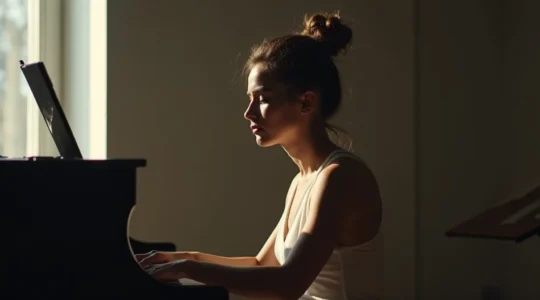
How to Play with Emotion When You Are Still Struggling with Technique?
We’re often told to just “feel the music,” but what happens when you feel nothing but the pressure of hitting the right notes? The truth is, emotional performance isn’t magic; it’s a craft. This guide reframes expression as a tangible…
Read more
How to Curate Your Own Music Library Without Relying on Algorithms?
Escaping repetitive music recommendations isn’t about finding a better app; it’s about fundamentally changing your relationship with music discovery. Contrary to the idea that technology holds all the answers, the key is to shift from being a passive consumer to…
Read more