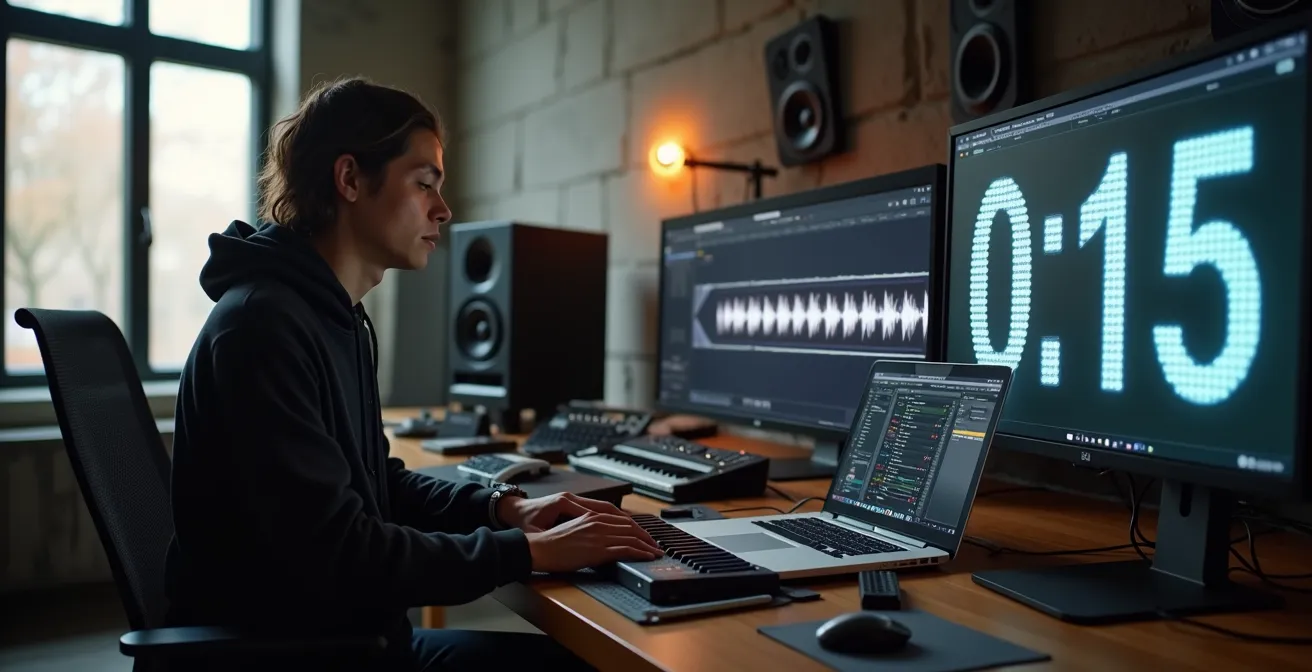
Surviving the 15-second scroll isn’t about chasing trends, but about strategically engineering your authentic music to create ‘attention funnels’.
- Viral moments are designed, not accidental, using “open loops” in lyrics and visuals that invite user participation.
- A sustainable career is often built on a “slow burn” strategy that prioritizes deep fan connection over fleeting, one-hit virality.
Recommendation: Focus on defining your core “sonic signature” first, then adapt it to short-form platforms using targeted pre-save campaigns and a multi-platform persona strategy.
The notification pops up again: another unknown artist has just gone viral with a 15-second clip of a dance, a relatable POV, or a catchy soundbite. For the modern songwriter, the pressure to conform is immense. It feels like a constant, draining choice between staying relevant in the TikTok-driven music landscape and preserving your artistic soul. The common advice often feels like a race to the bottom: chop off your intro, copy the latest trending sound, and write a simplified chorus that can be looped endlessly.
But what if this isn’t a binary choice? What if the 15-second attention span isn’t a limitation, but a new, powerful constraint designed to spark a different kind of creativity? The real strategy isn’t to copy what’s viral, but to *engineer* your own authentic music to be virally effective. It’s about creating a powerful “attention funnel” that can guide a listener from a fleeting clip to your full artistic world, transforming a casual scroller into a dedicated fan. This isn’t about selling out; it’s about smart adaptation.
This guide will deconstruct the mechanics behind today’s hits, moving beyond surface-level trends. We’ll explore how to design “meme-able” moments, weigh the pros and cons of a viral hit versus a slow burn, and ultimately, build a public persona that amplifies your art without sacrificing your private sanity. It’s time to learn how to make the algorithm work for you, not the other way around.
Table of Contents: Navigating the New Music Attention Economy
- Why Are Intros Disappearing from Top 40 Hits?
- How to Design a “Meme-able” Moment in Your Music Video?
- Viral Hit or Slow Burn: Which Builds a More Sustainable Fanbase?
- The “Trend-Hopping” Trap: Why Copying Viral Styles Dilutes Your Brand?
- How to Write Lyrics That Encourage User-Generated Content?
- The Complexity Trap: Why Technical Riffs Often Fail as Hooks?
- How to Use the “Pre-Save” Campaign to Spike Day 1 Streams?
- How to Build a “Rockstar” Persona Without Losing Your Private Sanity?
Why Are Intros Disappearing from Top 40 Hits?
The slow, atmospheric 30-second intro is becoming a relic of a bygone era. The reason is brutally simple: the first few seconds of your song are now the most critical real estate you own. In a world of infinite scrolling, listeners have become ruthless curators of their own time. If a song doesn’t provide an immediate payoff, it gets skipped. This isn’t just a feeling; it’s a data-driven reality. Industry data reveals that 25% of listeners skip a song within the first 5 seconds. That’s a quarter of your potential audience, gone before your first verse even starts.
This behavior is directly incentivized by the platforms themselves. On Spotify, a stream only counts for royalty payments after 30 seconds of listening. This economic pressure forces artists to “front-load” their tracks, ensuring the most compelling part—usually the chorus or a primary hook—arrives almost instantly. It’s a defensive strategy to survive the initial “skip-or-save” judgment of the listener.
Pop strategist Charli XCX famously distilled this into a modern songwriting formula. Her approach is to place the chorus within the first 30 seconds, often eliminating what she calls “weird self-indulgent intros.” The core question she poses is a reflection of this new paradigm: “Did you grab them in that first five seconds? And did they add it to their playlist?” This isn’t about a lack of creativity; it’s a pragmatic adaptation to the new attention funnel, where the goal is to convert a 5-second listen into a 30-second stream, and ultimately, a permanent playlist add.
How to Design a “Meme-able” Moment in Your Music Video?
A “meme-able moment” is a deliberately crafted, easily shareable snippet of your music or video that begs for imitation, remixing, or re-contextualization. It’s not a happy accident; it’s an engineered “open loop” designed for user-generated content. This could be a unique dance move, a striking visual, a dramatic facial expression, or a line of dialogue that can be applied to countless scenarios. The key is to create something that feels incomplete on its own, compelling viewers to “close the loop” with their own creativity.
This is less about high-budget production and more about a single, sticky idea. Think of a short, repeatable gesture or a relatable scenario that can be easily reenacted. The goal is to provide a simple, fun template that others can use to tell their own stories, with your song as the soundtrack. This transforms passive viewers into active participants and organic promoters of your music.
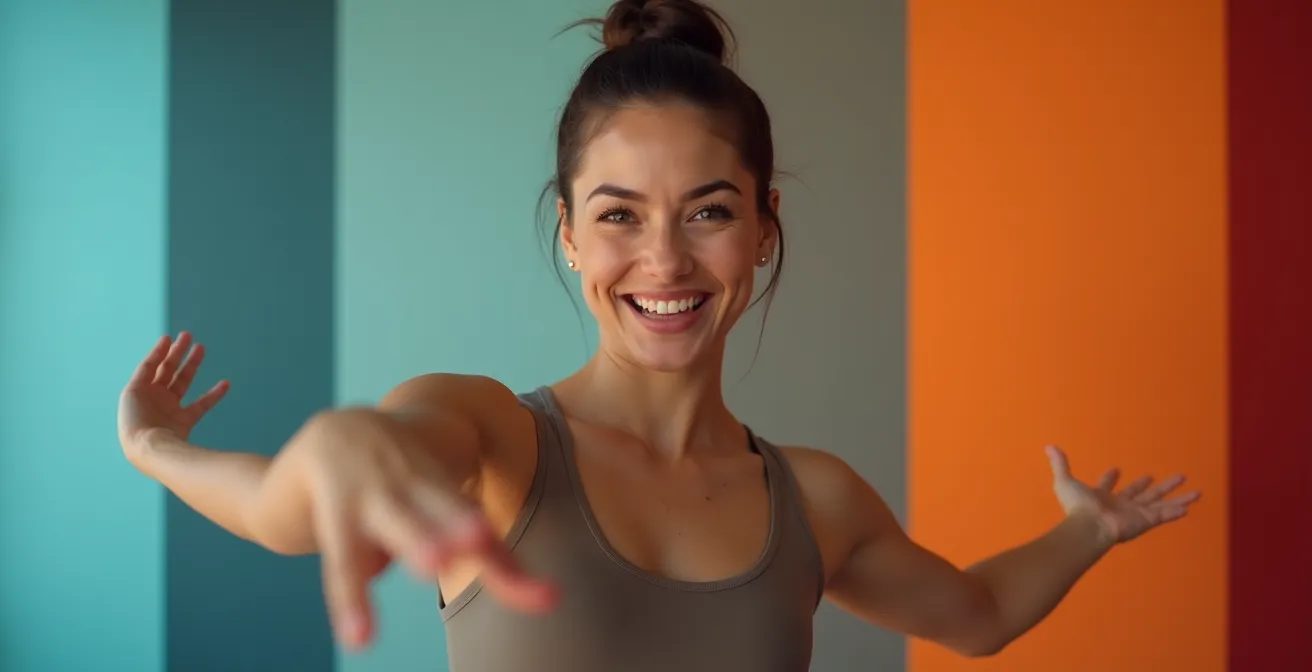
As the image above illustrates, an “open loop” gesture is often one that is frozen mid-action, creating a sense of anticipation and inviting a response. It’s a visual question that the viewer feels compelled to answer. By designing these moments into your visuals, you’re not just making a music video; you’re creating a launchpad for a thousand other videos.
Your Action Plan: Engineering a Meme-able Moment
- Ideate the Concept: Start with an engaging idea first—a funny or relatable scenario, an emotional hook—that would naturally attract attention online before you even write the music.
- Build a Series: Think in terms of a repeatable series, like “an ex who keeps popping up at the worst times.” This provides a rich template for others to adapt.
- Write the Song *for* the Concept: Build the music and lyrics around the core concept to ensure the audio and visual feel inseparable and authentic, not forced.
- Maximize Discoverability: Upload the sound to all major libraries (TikTok, Instagram Reels, YouTube Shorts) and distribute the full track to streaming services.
- Engage Actively: Once it’s live, fuel the fire. Respond to comments, create your own response videos, and continuously post new content using your sound to maintain momentum.
Viral Hit or Slow Burn: Which Builds a More Sustainable Fanbase?
The allure of a viral hit is undeniable. One weekend of TikTok fame can generate more streams than months of traditional marketing. The numbers are staggering; data from 2024 streaming analytics shows artists with TikTok-correlated hits see an 11% week-over-week streaming growth, compared to just 3% for their non-viral counterparts. This rapid acceleration can launch a career into the stratosphere seemingly overnight. However, this explosive growth often comes with a hidden cost: shallow fan engagement.
The danger of a purely viral hit is that the audience becomes attached to the *trend*, not the *artist*. They love the 15-second soundbite, but they may have no interest in your broader body of work. This creates a fragile fanbase that can evaporate as quickly as it appeared.
Lizzy McAlpine’s song ‘Ceilings’ exploded on TikTok with over 600 thousand posts and 700 million Spotify plays. However, she revealed that singing ‘Ceilings’ literally makes her fans leave during concerts.
– Lizzy McAlpine, Interview with 104.3 MYfm
This anecdote is a stark warning. In contrast, a “slow burn” strategy focuses on building a deep, loyal following over time. It may not produce the same dramatic streaming spikes, but it creates a foundation of true fans who buy merchandise, attend concerts (and stay for the whole show), and eagerly await your next album. This approach treats music as a long-term relationship rather than a one-night stand. The following table breaks down the fundamental differences in these two strategic paths.
| Metric | Viral Hit | Slow Burn |
|---|---|---|
| Time to Chart | 1 weekend – 2 weeks | 6-12 weeks |
| Streaming Growth | 11% week-over-week | 3% week-over-week |
| Fan Retention | High decay rate | Compound interest effect |
| Revenue Impact | Quick spike, fast decline | Steady long-term (merch, tickets) |
| Creative Control | Algorithm-driven | Artist-driven |
The ideal strategy for a modern artist is often a hybrid: using viral tactics to feed the top of your “attention funnel” while nurturing a “slow burn” community with authentic content and a consistent body of work. Use the viral moment as an introduction, not the entire conversation.
The “Trend-Hopping” Trap: Why Copying Viral Styles Dilutes Your Brand?
When a particular sound or challenge dominates the “For You” page, the temptation to jump on the bandwagon is powerful. It seems like the fastest path to relevance. However, this “trend-hopping” is a dangerous trap that can dilute your unique artistic identity. Constantly changing your style to match the flavor of the week sends a confusing message to your potential audience. It makes it impossible to build a recognizable sonic signature—the core, non-negotiable elements that make your music yours.
Listeners crave authenticity, and they can spot an imitation from a mile away. If your music feels like a hollow echo of another artist’s hit, you risk being perceived as a follower, not a leader. This undermines the long-term goal of building a dedicated fanbase that connects with *you* and your unique perspective. True sustainability comes from being the source of the trend, not the last one to join it.
Furthermore, what appears as organic virality is often a heavily manufactured and expensive marketing campaign. According to industry insiders, major labels can spend up to $30,000 on a single influencer campaign to “seed” a song on the platform, with indie campaigns still costing thousands. Trying to compete in this high-stakes game without a clear brand and strategy is a quick way to burn through your budget and your credibility. The smart play isn’t to copy the trend, but to analyze *why* it’s working and apply those underlying principles to your own sound.
How to Write Lyrics That Encourage User-Generated Content?
In the TikTok era, lyrics have a new job. Beyond telling a story or conveying emotion, they must now serve as prompts for creation. The most successful viral songs often contain “lyrical open loops”—phrases or questions that are intentionally open-ended, inviting users to insert their own experiences. This is the key to transforming your song from a monologue into a dialogue, sparking a wave of user-generated content (UGC).
These lyrical hooks act as templates. They can be:
- A “Point of View” (POV) prompt: Lyrics like “POV: You just found the perfect song for your breakup” give users a ready-made scene to act out.
- A fill-in-the-blank: A line that leaves a gap for a personal story, like “I’ll never forget the time I…”
- A direct question: Lyrics that ask the listener a question, prompting video replies or duets.
- A relatable declaration: A bold, simple statement that many people can co-opt as their own, like “This is my villain era.”
The goal is to write lines that are specific enough to be memorable but broad enough to be universal. Think of your lyrics as empty vessels that listeners can fill with their own meaning. This strategy is critical because, as TikTok for Business reports, 63% of videos with the highest click-through rates establish their hook within the first three seconds. A strong lyrical prompt is one of the most effective hooks available.
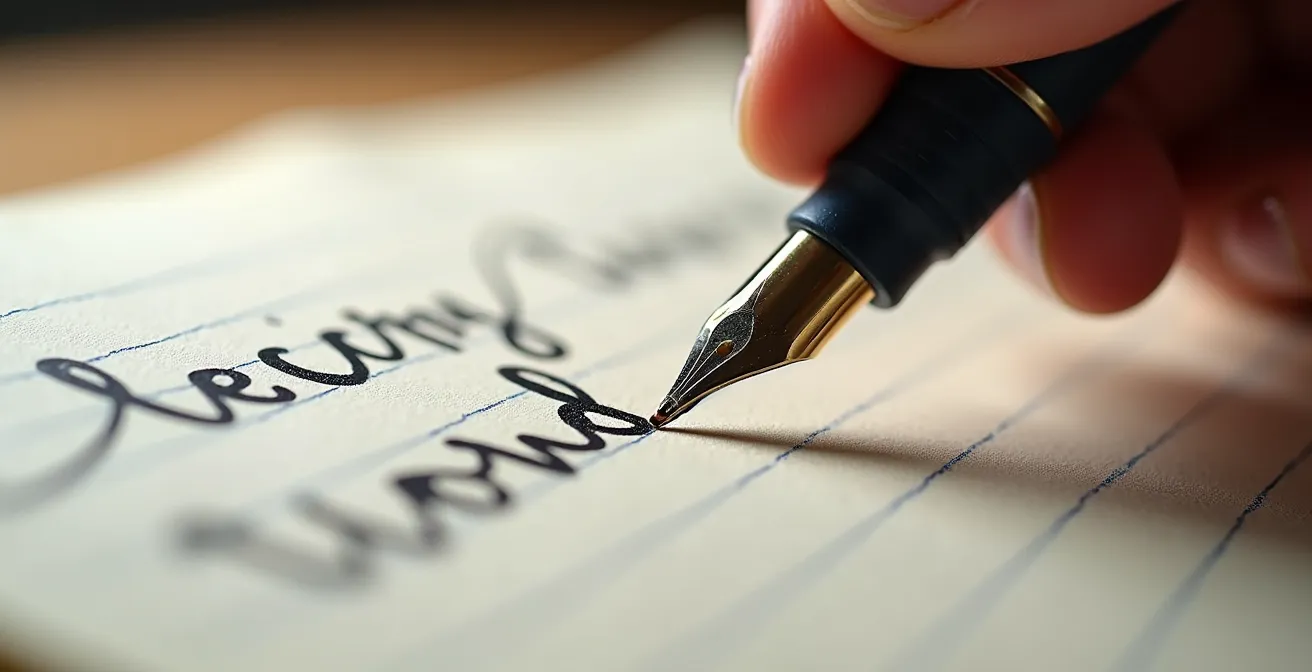
The process of crafting these lyrics is one of intentional ambiguity. It’s about leaving space for others. By focusing on these interactive formats, you’re not just writing a song; you’re writing a script for thousands of potential collaborators you’ve never met.
The Complexity Trap: Why Technical Riffs Often Fail as Hooks?
As a musician, it’s natural to want to showcase your technical skill. A blistering guitar solo, a complex drum fill, or an intricate piano arpeggio can be deeply satisfying to play. However, in the context of a 15-second hook, complexity is often the enemy of catchiness. The primary goal of a hook is to be instantly memorable and easily digestible. A listener should be able to hum it back after hearing it just once or twice. Overly technical or busy riffs often fail this test.
When a melodic line is too dense with notes or moves too erratically, it becomes difficult for the brain to process and retain. It might be impressive, but it’s not “sticky.” This is why the most successful hooks in pop history are often deceptively simple. They rely on strong, clear melodic contours and rhythmic repetition. This doesn’t mean your music has to be “dumbed down”; it means the hook itself needs to prioritize clarity and memorability over technical flash.
Moreover, a complex instrumental hook can clash with the most important element of most songs: the human voice. A busy riff fighting for space with a vocal melody creates a cluttered, confusing mix that fatigues the listener. Production experts often advise creating space for each element to shine.
The hook shouldn’t upstage the vocal. If there is an instrumental passage with a quick succession of notes or a wild pitch bend, pull the vocal out for that moment or have the vocalist sing a long note to avoid a cluttered mix.
– iZotope Production Guide, 6 Music Production Techniques to Hook Listeners
The lesson is clear: save the complexity for a bridge or a solo. For your hook, embrace the power of simplicity. A well-crafted, simple hook will always be more effective at grabbing a listener’s attention than a technically brilliant but forgettable riff.
Key Takeaways
- The first 5 seconds are critical; front-load your song with a strong hook to combat high skip rates.
- Design “meme-able” open loops in your music and visuals to encourage user-generated content and organic spread.
- Balance viral tactics with a “slow burn” strategy to build a sustainable, long-term fanbase that is loyal to the artist, not just the trend.
How to Use the “Pre-Save” Campaign to Spike Day 1 Streams?
A “pre-save” campaign is one of the most powerful tools in a modern artist’s arsenal. It allows fans to automatically save your upcoming song to their library on platforms like Spotify the moment it’s released. This is more than just a convenience; it’s a strategic weapon. A high number of pre-saves sends a strong signal to streaming algorithms that your release has significant anticipation. This can trigger playlist placements and increased visibility on day one, creating a powerful initial spike in streams that builds its own momentum.
The most effective pre-save campaigns are not passive requests. They are “gamified” experiences that build hype and community long before the release date. This involves a multi-stage approach of teasing content and engaging your audience. Artist JVKE demonstrated this masterfully by testing his track with TikTok creators months before release, posting clips of him playing the song for his mom, and using a recurring hook format to build familiarity. By the time he announced the release date, he had already cultivated a massive, eager audience.
Your campaign should be a narrative. Start by testing the waters with short clips of the hook. Post behind-the-scenes content that makes fans feel connected to your creative process. As anticipation builds, make the pre-save link the central call-to-action in all your content. You can even offer exclusive content—like a sneak peek of the music video or a personal voice note—to fans who pre-save. This transforms the pre-save from a simple marketing task into a rewarding fan experience, maximizing your day-one impact and fueling the algorithmic fire.
How to Build a “Rockstar” Persona Without Losing Your Private Sanity?
In the digital age, being a musician is no longer just about the music. You are also a content creator, a community manager, and a brand. Building a compelling “rockstar” persona is crucial for cutting through the noise, but the pressure to be “on” 24/7 can be a direct path to burnout. The key to long-term success and mental well-being is not to create a fake persona, but to develop an “authenticity architecture”—a strategic framework for showcasing different facets of your true self on different platforms.
Your persona should not be a mask you wear, but rather an amplification of certain parts of your personality. You don’t have to be the same person on every platform. Each social media channel has its own culture and audience expectation, and you can tailor your content accordingly. This allows you to set boundaries and preserve your private self while still building a strong public brand.
This multi-platform strategy allows for a more holistic and human connection with your audience. They get the high-energy performer on TikTok, the thoughtful creator on Instagram, and the real, unfiltered you in a private Discord community. This approach makes your persona feel more authentic and less like a performance, which is more sustainable for you and more compelling for your fans.
| Platform | Persona Type | Content Strategy | Engagement Approach |
|---|---|---|---|
| TikTok | High-energy performer | 15-second hooks, viral challenges | Quick responses, trends |
| Thoughtful creator | Behind-the-scenes, process videos | Story interactions, Q&As | |
| YouTube | Educator/Entertainer | Long-form content, tutorials | Community posts, premieres |
| Discord | Authentic self | Direct fan interaction | Real-time chats, exclusive content |
This strategic balance is the key to a long and healthy career. Start architecting your public persona today by defining which parts of yourself you want to share on each platform, and build an “attention funnel” that respects both your art and your sanity.